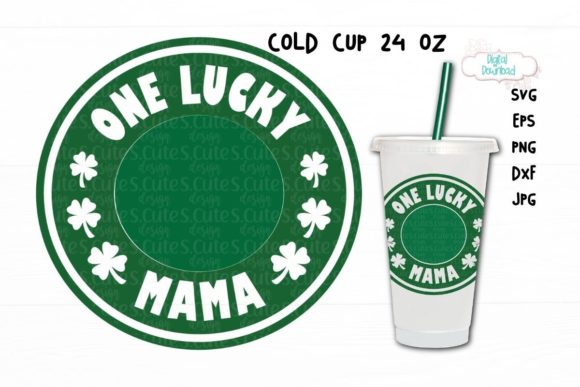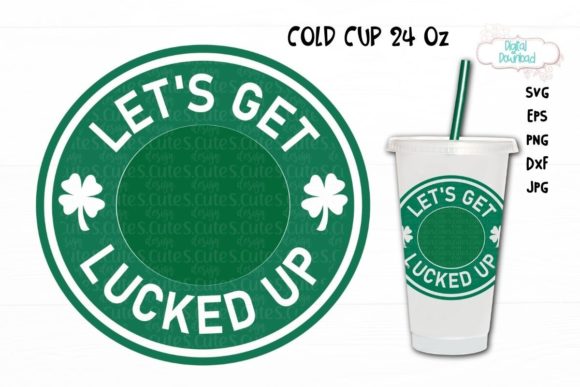
Cold Cup 24 Oz, Let’s Get Lucked Up SVG
As a designer who’s stitched over 300 custom embroidery projects—from boutique baby onesies to holiday market tote bags—I opened Cold Cup 24 Oz, Let’s Get Lucked Up SVG expecting playful energy. What I found was a tight, confident illustration that leans into lighthearted charm without sacrificing clarity. It’s not just “cute”—it’s *craft-smart*: bold outlines, intentional negative space, and a layout that breathes on fabric. The phrase “Let’s Get Lucked Up” wraps around a stylized 24 oz cold cup with subtle clover accents and a wink of sparkle—not too literal, not too abstract. It lands somewhere between whimsy and wearability.
First Stitch, First Impression: Does It Translate?
I tested Cold Cup 24 Oz, Let’s Get Lucked Up SVG as a sweatshirt front design for a small-batch St. Patrick’s Day pop-up. Not as a print—but as an embroidered patch applied to a heavyweight cotton blend hoodie. Right away, the illustration’s rhythm worked: the cup’s vertical shape anchored the composition, while the arched text followed natural eye movement. No awkward stretching or distortion. On screen, it reads as Illustrations—but in thread? It becomes a tactile statement. The lettering isn’t overly thin; the “L” and “U” have enough weight to hold up under satin stitch. And that tiny clover tucked beside the straw? Small, yes—but not so small it vanishes in fill stitch. That’s rare in Graphics meant for broad use.
Where It Shines (and Where It Asks for Extra Care)
Cold Cup 24 Oz, Let’s Get Lucked Up SVG excels on medium-to-heavy fabrics where stitch definition matters: canvas tote bags, denim aprons, terry cloth tea towels, and structured caps. I ran it on a twill baseball cap—hoop size 4x4—and the cup’s clean silhouette stayed crisp, even across the curved crown. The design’s balanced density meant no puckering, especially when paired with medium-weight cutaway stabilizer.
But here’s what I’d flag for fellow designers and craft business owners: avoid using this machine embroidery design on ultra-thin knits (like lightweight jersey tees) without testing first. The text arcs tightly, and on stretchy fabric, those curves can distort unless stabilized aggressively. Likewise, on dark fabric, make sure your thread colors contrast meaningfully—the “Luck” motif relies on legibility, not just charm. And if you’re planning a baby embroidery project (say, a onesie), double-check that all small decorative elements—like the sparkle dot—are securely digitized for low-stitch-count safety. Not every SVG converts cleanly to embroidery-ready files without cleanup.
Real-World Fit: From Etsy Listings to Boutique Shelves
This isn’t a one-off novelty—it’s a versatile digital embroidery file with commercial legs. As an Etsy seller, I’d list it as both a standalone embroidery file *and* a finished product option: think embroidered kitchen towels bundled with matching oven mitts, or personalized sweatshirts tagged “St. Paddy’s Ready.” Its tone is friendly but not childish, festive but not seasonal-only—“Let’s Get Lucked Up” works year-round for coffee shops, craft breweries, or wellness brands leaning into positivity.
I also used it for a custom embroidered patch series. Because the original SVG has clean vector paths, scaling it down to 2.5 inches preserved sharp corners and consistent line weight—critical for iron-on or sew-on patches. That adaptability makes it valuable beyond apparel: think nursery decor (pillow covers), holiday gifts (embroidered blanket corners), or even small shop merchandise like branded aprons for a local café.
Design Integrity Meets Customer Trust
Your customers don’t see the file—they see the finished product. And Cold Cup 24 Oz, Let’s Get Lucked Up SVG delivers visual consistency that builds trust. When stitched cleanly, it looks intentional, not generic. That matters for handmade presentation. A poorly spaced or overly dense embroidery file screams “mass-produced shortcut.” This one feels considered—like the designer knew it would live on a gift-wrapped tote bag handed to a teacher, or stitched onto a baby’s first St. Patrick’s outfit.
It also supports brand consistency. Whether you’re a solo maker or a small shop, using a cohesive design language across products (e.g., matching embroidery + printable mockups) strengthens recognition. I paired this SVG with a simple green-and-cream thread palette and used the same color scheme in my digital product previews—customers immediately connected the embroidery to the brand, not just the holiday.
Practical Notes Every Embroidery Designer Should Run Through
- Always test on scrap fabric first—especially with textured or dark materials. Thread sheen changes everything.
- Review stitch density before hooping. High-density areas (like the cup’s base or letter interiors) may need lighter tension or a different needle size.
- Confirm hoop size compatibility. While the SVG scales freely, embroidery software may impose limits—check how it renders at your standard 4x4 or 5x7 hoop.
- Inspect small details in your embroidery software: does the clover retain shape? Is the sparkle dot isolated enough to avoid thread nesting?
- Test black-and-white mockups to assess contrast and balance—color can hide imbalance.
- Use proper stabilizer: cutaway for knits, tear-away for stable wovens, and fusible for layered items like patches.
- Verify licensing before selling finished items or bundling as design assets. Since this is listed as a Graphics file usable “with any program that accepts SVG,” confirm whether commercial embroidery rights are included—or if you’ll need to digitize separately.
In short: Cold Cup 24 Oz, Let’s Get Lucked Up SVG is more than a themed graphic. It’s a thoughtful, adaptable embroidery file that earns its place in your design assets—whether you’re prepping for craft fair season, building an Etsy shop, or stitching personalized gifts with intention. It doesn’t shout. It smiles, holds still under needle and thread, and invites repeat use. And in this industry, that’s luck worth keeping.