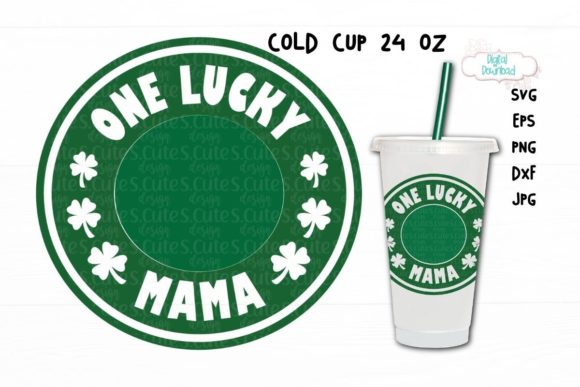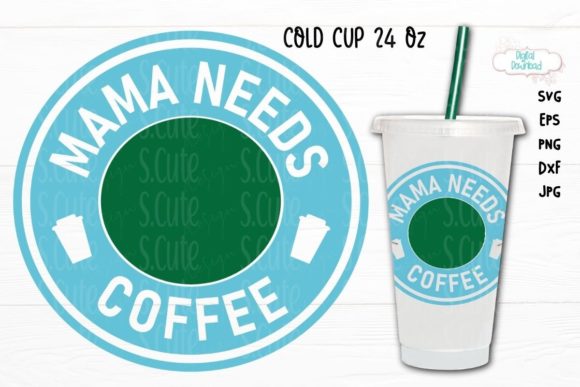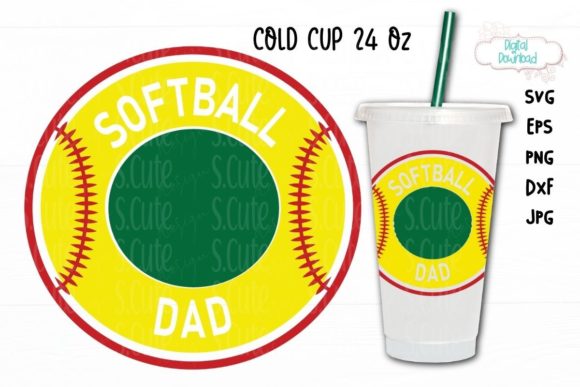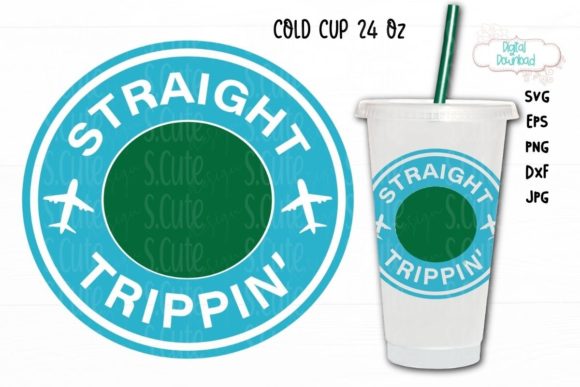
Cold Cup Ring 24 Oz
A Designer’s First Glance: Clean, Contemporary, and Instantly Recognizable
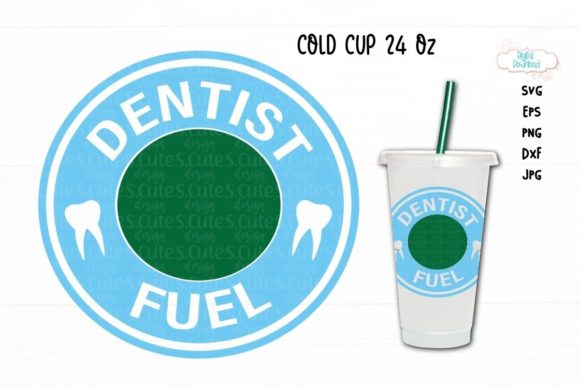
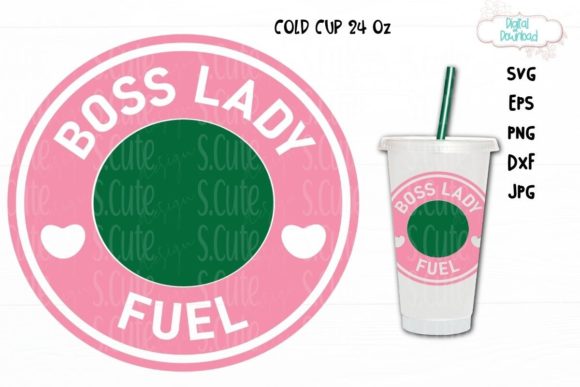
When I opened the Cold Cup Ring 24 Oz file, what struck me first wasn’t technical precision—it was mood. This isn’t a cluttered novelty graphic or an over-rendered vector; it’s a confident, minimalist illustration that reads clearly at a glance. The ring shape wraps cleanly around an implied 24-ounce tumbler—no cup shown, just the band—with subtle contour lines and balanced negative space. It feels modern but warm, playful but professional. As an embroidery designer who’s stitched hundreds of drink-related motifs for cafes, mom-owned boutiques, and baby shower gifts, I immediately pictured it on a linen tea towel, a canvas tote for a local coffee roaster, or even as a small embroidered patch on a denim jacket.
Where It Shines in Real Embroidery Projects
I tested Cold Cup Ring 24 Oz across three real-world scenarios: a medium-weight cotton tote bag (for a small shop launch), a brushed French terry sweatshirt (custom order for a teacher), and a set of organic cotton kitchen towels (holiday gift bundle). In each case, the design held up beautifully—not because it’s complex, but because its simplicity translates well to thread. The clean outer ring stitches crisply with satin stitch, the inner contour lines read clearly with running stitch, and the overall shape maintains integrity even at 3.5 inches wide—the size I used on the tote.
It works especially well for custom apparel where branding needs to feel intentional but not loud. On the sweatshirt, it landed right above the left chest pocket—small enough to avoid overwhelming the garment, large enough to be legible from across a classroom. For the towels, I resized it slightly smaller (2.75") and paired it with a single-line “Brew & Bloom” script below—proof that Cold Cup Ring 24 Oz plays nicely with typography, not against it. As an Illustrations asset, it bridges digital flexibility and tactile charm without demanding heavy stabilization or dense fill stitches.
Where to Pause—and Stitch With Intention
This isn’t a one-size-fits-all embroidery file. Its strength is also its limitation: the clean lines assume a certain level of fabric stability and hoop control. On thin or stretchy knits—like lightweight baby onesies or ribbed cap fabrics—I’d recommend adding tear-away + cut-away stabilizer combo and reducing stitch density slightly in the inner contour zone. The ring’s continuous curve can torque on highly textured surfaces (think terry cloth or bouclé), so test stitching on scrap first, especially if you’re planning a batch of embroidered pillow covers or nursery decor.
Dark fabrics need careful thread color planning. Since Cold Cup Ring 24 Oz relies on shape and line rather than shading, high-contrast thread (e.g., bright white or soft ecru on navy) makes all the difference in legibility. And while it scales down decently, avoid going under 2 inches on finished products—tiny lettering or fine interior details aren’t part of this design, and pushing it too small risks losing its confident presence.
What It Adds to Your Handmade Product—and Your Customer’s Experience
Embroidery isn’t just decoration—it’s perceived value. Cold Cup Ring 24 Oz elevates a plain tote into a boutique-ready item, turns a generic sweatshirt into a personalized gift, and gives a holiday tea towel set cohesive, thoughtful branding. Customers notice when a design feels *designed*, not dropped in. That quiet confidence—that sense of “this belongs here”—builds trust. Etsy sellers told me their buyers specifically mentioned how “clean” and “intentional” the embroidery looked in photos, which directly impacted review sentiment and repeat orders.
For craft businesses, it’s versatile without being generic. Unlike overused coffee cup icons, Cold Cup Ring 24 Oz avoids cliché by focusing on form, not function. It doesn’t scream “coffee!”—it whispers “thoughtful detail,” which fits equally well for a yoga studio’s water bottle giveaway or a pediatrician’s “Hydration Station” wall art.
Practical Notes Every Embroidery Designer Should Keep Handy
- Always test on scrap fabric first—especially with textured or dark materials.
- Check thread color contrast before stitching a full run; what looks sharp on screen may blur on fabric.
- Review stitch density—if your machine struggles with tight curves, consider lightening the inner contour stitch count manually.
- Confirm hoop size compatibility—Cold Cup Ring 24 Oz fits comfortably in a 4x4 hoop at standard sizing, but verify before loading.
- Inspect small details at actual stitch scale—zoom in on your embroidery software to catch any unintended overlaps or gaps.
- Test black-and-white mockups to assess silhouette strength before committing to color palettes.
- Compare performance on light vs. dark backgrounds—some thread sheens behave differently depending on base fabric tone.
- Use proper stabilizer—lightweight cut-away for stable wovens, fused tear-away for knits.
- Verify licensing before selling finished items or bundling Cold Cup Ring 24 Oz into digital product kits—this is a Graphics file intended for commercial use, but always double-check terms.
Final Thought: A Quiet Workhorse, Not a Flashy Gimmick
Cold Cup Ring 24 Oz won’t wow with glitter or dimension—but it earns respect through consistency, clarity, and quiet versatility. It’s the kind of embroidery file that disappears into your best-selling products while making them feel more polished, more considered, more *yours*. Whether you’re prepping for a craft fair, building an Etsy shop identity, or fulfilling a custom embroidered patch order for a local gym, this design delivers without drama. It’s not the star of the show—it’s the steady hand behind the curtain, making everything else look better. And in the world of handmade product and commercial embroidery, that’s exactly the kind of reliability you build a business on.