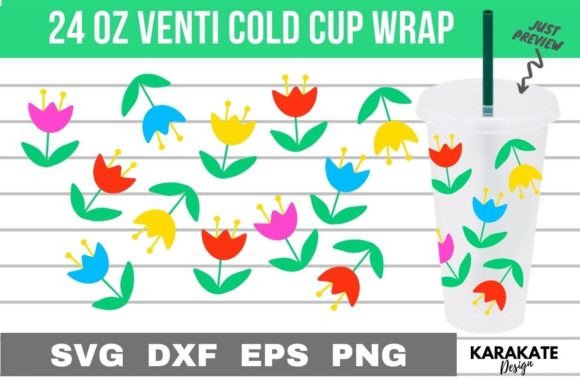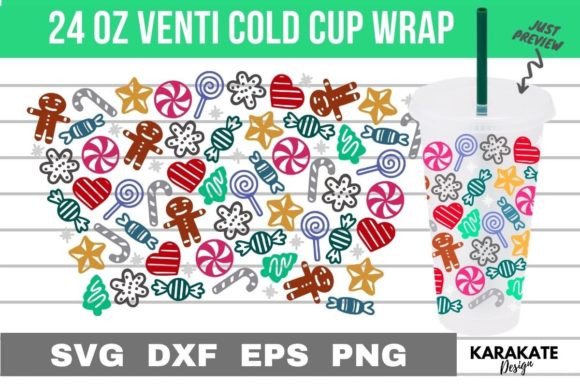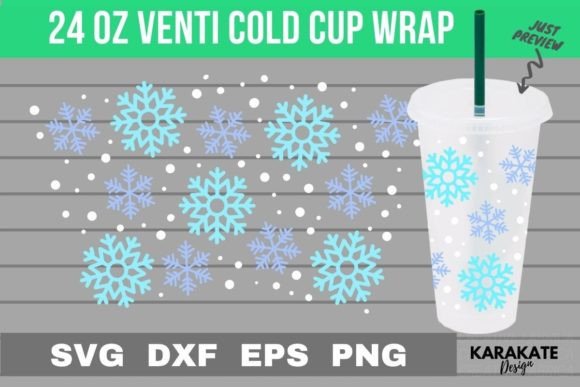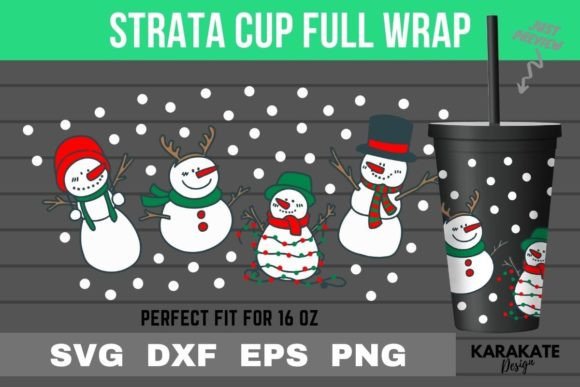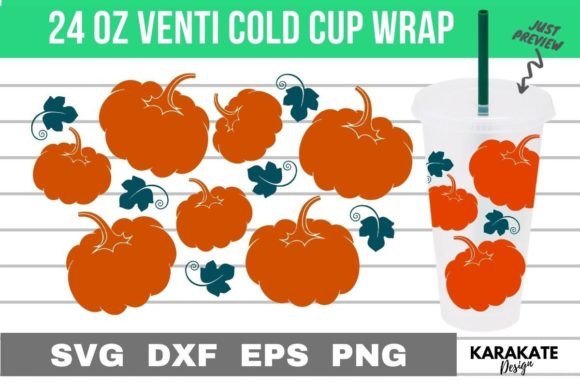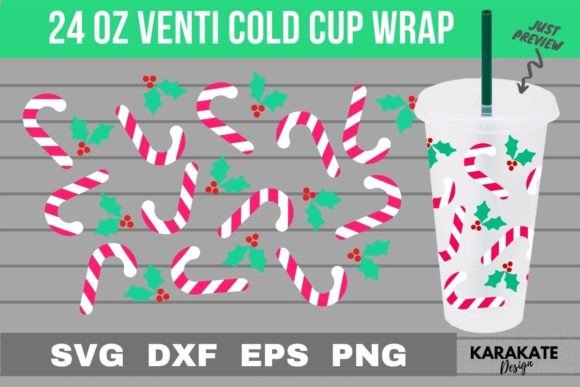
Cute Xmas 24 Oz Venti Cup Wrap SVG
First Impressions: Festive, Friendly, and Fit for Real Life
When I opened Cute Xmas 24 Oz Venti Cup Wrap SVG, my first thought wasn’t “Oh, another holiday graphic”—it was “This would look right at home on a cozy holiday tote bag I’m stitching for a local boutique.” The design carries that warm, approachable charm you want in Crafts—think soft curves, balanced spacing, and just enough detail to feel intentional without tipping into visual noise. It’s clearly built for the 24 oz Venti cup silhouette, but its proportions translate well beyond drinkware: the wrap shape naturally echoes the curve of a sweatshirt sleeve, the rounded edge of a baby onesie chest panel, or the gentle arc across a tea towel hem.
Where It Shines: Practical Embroidery Use Cases
I tested Cute Xmas 24 Oz Venti Cup Wrap SVG as part of a small-batch holiday collection—embroidering it onto organic cotton aprons, fleece-lined baby caps, and heavyweight canvas totes. It held up beautifully in every context where clarity and charm matter most. On an apron, the layout framed the pocket area with quiet confidence; on a cap, the gentle curvature aligned cleanly with the front panel’s contour (no warping or distortion). As a machine embroidery design, it reads well even at modest sizes—no tiny lettering or fussy details that vanish under thread. That makes it especially useful for Etsy sellers and small shop owners who need reliable, repeatable results without constant digitizing tweaks.
The included SVG, DXF, EPS, and PNG files (300 DPI, transparent background) give flexibility across workflows. I used the SVG for vector-based digitizing and the PNG for quick mockups in design software—critical when prepping listings for handmade product shops or holiday gift guides. As a Graphics asset, it’s clean enough to layer subtly behind monogrammed initials or pair with minimalist stitch accents like a single running stitch border.
Where to Pause—and Why
This isn’t a one-size-fits-all embroidery file. While the overall shape is forgiving, the design’s horizontal stretch means it demands attention on curved or layered surfaces. On a structured baseball cap, I found the outer edges needed slight inward adjustment to avoid puckering—especially near the seam line. On thin or highly textured fabrics like slub linen or lightweight knit t-shirts, I added medium-weight cutaway stabilizer beneath and a light tear-away on top. Without that, fill stitch areas risked shadowing or shifting.
Dark fabric also calls for care: the design relies on contrast for legibility, so I recommend testing thread colors against your base fabric—not just on screen. A bright red satin stitch pops on navy fleece, but the same thread can mute on charcoal heather. And while the file includes no dense blackwork or micro-details, any small loops or inner corners benefit from a slow-stitch test run on scrap. Don’t assume the digital file translates perfectly to physical thread density—always verify stitch density before committing to a client order or craft fair batch.
Real-World Fit: What It Adds to Your Finished Product
What sets Cute Xmas 24 Oz Venti Cup Wrap SVG apart isn’t novelty—it’s cohesion. It elevates a simple tote bag into a curated holiday gift. It gives a baby embroidery project instant warmth without looking cutesy or dated. For apparel decorators and personalized gift makers, that subtle professionalism matters: customers notice when stitching feels intentional, not slapped on. That perception directly affects buyer engagement, brand consistency, and perceived value—especially in competitive spaces like Etsy or local maker markets.
I’ve seen similar designs fall flat because they’re too literal (a cup with steam lines that read as clutter when stitched) or too generic (a snowflake cluster that blends into fabric texture). This one avoids both traps. Its rhythm—balanced negative space, clear focal point, and cohesive theme—makes it work equally well as a standalone embroidered patch or as part of a larger holiday set (think matching pillow cover + kitchen towel + apron).
Designer Notes You’ll Actually Use
- Always test on scrap fabric first—especially if using stretchy or napped materials. Check how fill stitch settles and whether satin stitch edges roll or flatten.
- Review hoop size compatibility before digitizing. The wrap format implies width, so confirm your machine’s max horizontal dimension fits comfortably with margin room.
- Inspect small details in black-and-white mockups. What looks crisp on screen may blur when translated to thread—this helps catch unintended blending early.
- Compare performance on light vs. dark fabric backgrounds. Some elements (like fine outlines or light-colored fills) gain or lose definition depending on contrast.
- Use proper stabilizer for your fabric type—cutaway for knits, tear-away for stable wovens, fusible for lightweight layers.
- Confirm licensing terms before selling finished items or bundling the file with other digital products. Since this is labeled as a digital embroidery file for Crafts use, clarify commercial rights upfront.
Final Thought: A Thoughtful Tool, Not Just a Trend
Cute Xmas 24 Oz Venti Cup Wrap SVG won’t replace your core holiday design library—but it fills a quiet, valuable gap. It’s the kind of embroidery file that supports your process instead of complicating it: easy to adapt, honest in execution, and respectful of both fabric and customer expectations. Whether you’re stitching custom apparel for a holiday pop-up, building a cohesive Etsy collection, or adding thoughtful detail to a personalized gift, this design earns its place not through flash, but through function. And in the world of handmade product creation, that kind of reliability is rare—and worth keeping close.