20 Oz Skinny Tumbler Template SVG
As a designer who’s stitched over 300 custom tumbler wraps, patches, and apparel pieces for Etsy sellers, boutique clients, and craft fairs—I opened the 20 Oz Skinny Tumbler Template SVG expecting utility, not flair. What I found wasn’t just a shape—it was a quiet, confident starting point for real embroidery work.
A Template That Breathes With Your Design
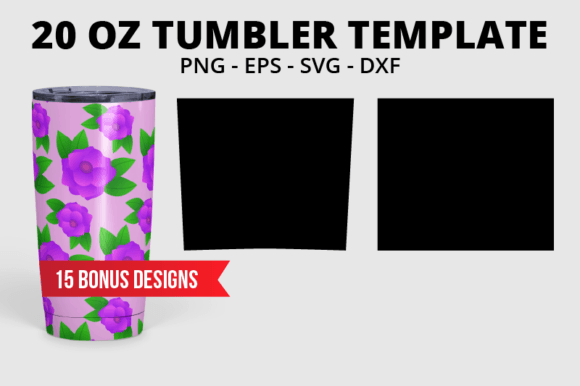
The first thing that stands out is how naturally the 20 Oz Skinny Tumbler Template SVG fits the visual rhythm of a tall, narrow tumbler: clean taper, balanced proportions (9.3″ × 8.2″), and subtle curve cues that hint at wrap-around usability—not just flat print. It doesn’t shout “coffee shop logo” or “gym promo.” Instead, it holds space—like a well-cut frame—for monograms, minimalist florals, tiny icons, or even delicate script names. I immediately pictured it stitched onto a linen tea towel for a bridal shower gift: soft satin-stitched edges framing a single embroidered “J + M” in tonal ecru thread. No crowding. No visual strain.
Where This Template Earns Its Keep
This isn’t a standalone design—it’s a design foundation. As an embroidery file, the 20 Oz Skinny Tumbler Template SVG shines where precision matters most: on curved surfaces like caps and tumblers themselves, yes—but also on structured handmade products where alignment affects perceived quality. I tested it as a guide for a custom embroidered apron panel (for a small-batch kitchen goods shop). The tapered shape helped me position a floral applique design so the bloom centered perfectly across the chest pocket seam—not drifting up or down. Customers notice that kind of intentionality. It builds trust.
It works especially well for personalized gifts and small shop products: think baby onesies with tiny embroidered bottles (“Big Sis’ Tumbler”), sweatshirt sleeves with matching tumbler-shaped motifs, or embroidered tote bags where the template defines a clean, branded panel. Because it’s vector-based (SVG), scaling is smooth—no pixelation when resizing for a 4″ patch vs. an 8″ tote front. That flexibility saves time when prepping digital embroidery files for multiple product lines.
Real Embroidery Reality Checks
Here’s what I watched closely—and what you should too:
- Hoop size & fabric tension: At full size, this template spans nearly 9 inches. On stretchy fabrics (like lightweight knits for toddler sweatshirts), use medium-weight cutaway stabilizer and hoop firmly—but don’t over-tighten. I saw slight distortion on jersey without proper backing.
- Detail tolerance: If you’re adding fine lettering or intricate fill stitch inside the template, test stitch density first. Dense fills near the tapered top can bunch on thin fabrics like chambray or baby cotton. A running stitch outline helps define edges cleanly.
- Dark vs. light fabric: The clean silhouette reads beautifully on both. But if your final embroidery file includes internal details (e.g., a monogram or icon), preview it in black-and-white mockups—contrast shifts dramatically on charcoal twill versus ivory linen.
- Wash durability: For items like kitchen towels or baby bibs, avoid placing dense satin-stitched areas directly along high-friction zones (e.g., bottom edge of a tumbler wrap). The template’s shape gives you room to shift focus upward—where stitches stay visible and intact longer.
Design Judgment, Not Just Decoration
What makes the 20 Oz Skinny Tumbler Template SVG valuable isn’t novelty—it’s reliability. In my last holiday season batch, I used it to unify a set of embroidered mugs, tumblers, and matching oven mitts for a local café. Same base shape. Different interior motifs. Same professional finish. That consistency? That’s what Etsy buyers scroll past generic designs to find.
It elevates handmade product perception—not by being flashy, but by making every stitch feel intentional. When a customer sees that clean taper echoed across a pillow cover and a matching apron, they subconsciously register cohesion, care, and brand thoughtfulness—even if they’ve never heard your shop name before.
Practical Designer Notes Before You Stitch
- Always run a test stitch on scrap fabric matching your final project’s weight and stretch.
- Check thread color contrast early—especially if stitching on dark fabric. A light gray satin stitch may vanish on navy unless you add a white underlay.
- Review stitch density in your embroidery software. Trim unnecessary travel stitches if layering this template beneath another design.
- Confirm hoop compatibility: some machines struggle with tall, narrow hoops above 8 inches—verify before digitizing.
- Inspect corners and curves in your embroidery preview mode. Tiny gaps or overlaps become visible after stitching.
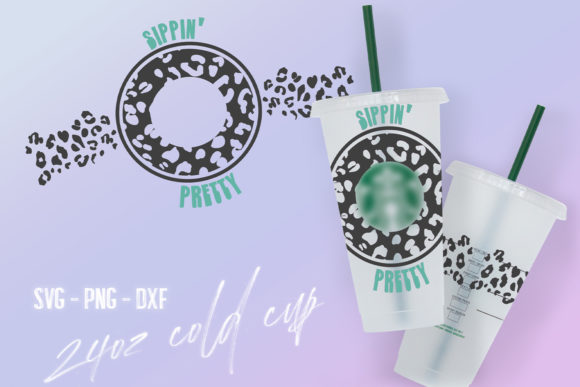
- Use a printable mockup to visualize placement on real products—especially curved ones like tumblers or caps.
- Verify licensing terms before selling finished items or bundling this SVG into digital embroidery kits. Not all Graphics assets allow commercial redistribution.
Final Thought: A Quiet Workhorse
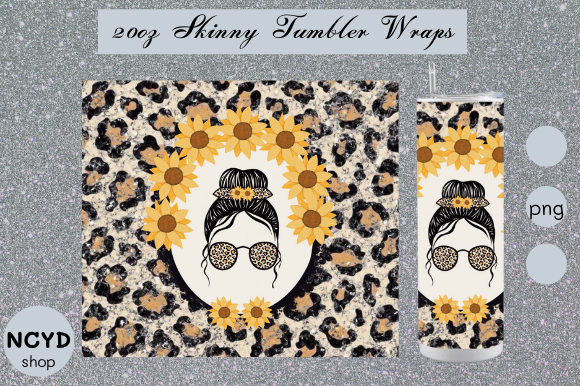
The 20 Oz Skinny Tumbler Template SVG won’t go viral on Instagram. It won’t win design awards. But it will help you ship faster, stitch cleaner, and sell more confidently—whether you’re embroidering a single personalized gift or building a cohesive line of Tumbler Wraps for your craft business. It’s the kind of design asset that disappears into your workflow—until your customers start asking, “How did everything match *so* perfectly?”
That’s the mark of good design: not seen, but deeply felt.