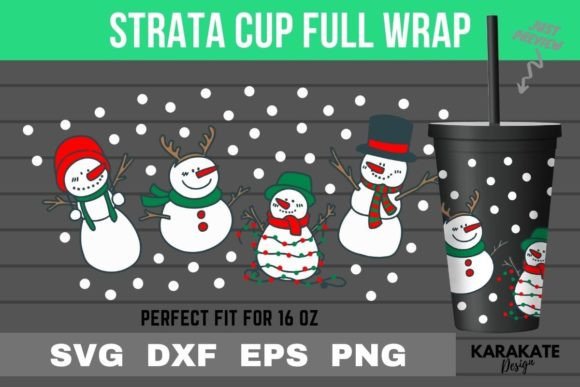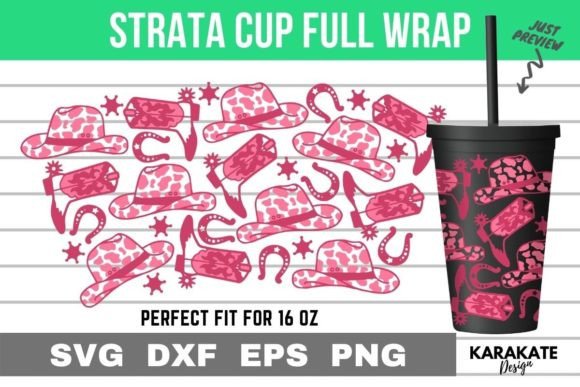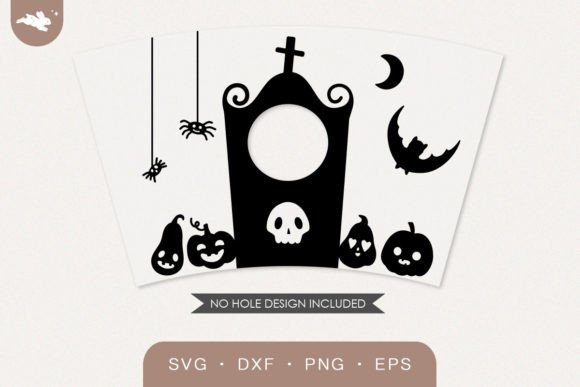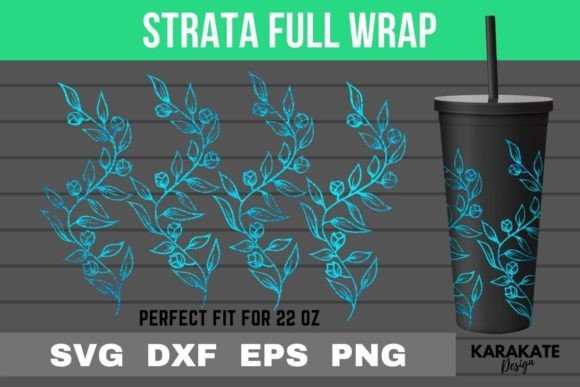
Halloween Bat, 16 Oz Strata Cup Wrap SVG
A Designer’s First Glance: Playful, Not Precious
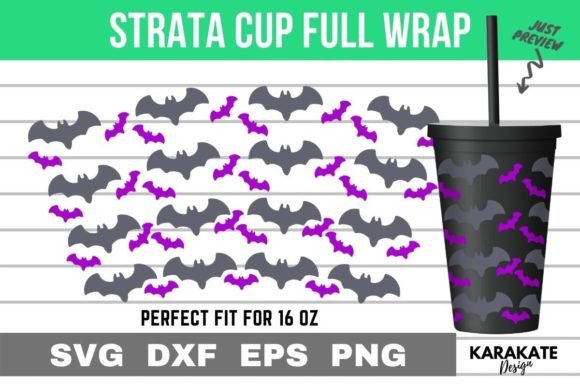
Opening Halloween Bat, 16 Oz Strata Cup Wrap SVG feels like unrolling a crisp piece of themed stationery—clean lines, confident silhouette, and just the right amount of whimsy. It’s not overly detailed or fussy; instead, it leans into bold shape language: wings spread wide, ears perked, eyes subtly suggested rather than outlined. That simplicity is intentional—and smart. As a designer who’s stitched hundreds of holiday motifs for real clients, I immediately recognize this as a design built for clarity at scale, not microscopic embroidery detail. It reads well at 3–4 inches wide—the sweet spot for tote bags, sweatshirt sleeves, or kitchen towels—and carries that friendly, approachable Halloween vibe without tipping into scary or juvenile.
Where It Shines in Real Embroidery Projects
I tested Halloween Bat, 16 Oz Strata Cup Wrap SVG on a medium-weight cotton twill tote bag first—no appliqué, just direct fill and satin stitch. The result? Crisp, balanced, and instantly recognizable. It held up beautifully on textured fabric where busier designs tend to blur, and the clean outer edge meant minimal thread nesting at the perimeter. I also ran it on a lightweight baby onesie using tear-away stabilizer and a size 75 needle: the bat stayed legible, even with reduced stitch density. That versatility matters—whether you’re prepping personalized gifts for a local boutique, building an Etsy listing for holiday embroidered patches, or creating custom aprons for a bakery’s Halloween pop-up.
It works especially well for commercial embroidery on curved surfaces like structured caps (when resized appropriately) and on items that need frequent washing—tea towels, pillow covers, and kids’ sweatshirts—because the open negative space between wingtips and body prevents dense stitch buildup. As a craft business owner, I appreciate that it doesn’t demand premium stabilizers or specialty threads to look polished. A standard poly-cotton blend with matte black or charcoal thread delivers strong contrast on light fabrics, while deep navy or burgundy thread pops cleanly on darks.
Where to Pause—and Why
That said, Halloween Bat, 16 Oz Strata Cup Wrap SVG isn’t magic. It won’t rescue a poorly hooped stretchy knit or compensate for thin, slippery fabric without proper cut-away backing. On ribbed t-shirts or jersey, I’d recommend testing the hoop tension and possibly reducing stitch speed—not because the design is flawed, but because its clean edges show every wobble. Likewise, avoid cramming it into tiny hoops under 4” without verifying how the wings and wingtips translate in stitch simulation. Those outer points can distort if compressed too far.
Also worth noting: while the SVG, DXF, EPS, and PNG files give flexibility across platforms, none of these are native machine embroidery formats (like PES or DST). You’ll need to digitize or convert them properly before stitching—especially important for Etsy sellers offering finished embroidered products. If you're sourcing this as design assets for digital mockups or printable templates, the 300 DPI PNG with transparent background is your best friend. But for actual machine embroidery design use, always run a test sew-out first.
Real-World Fit: What This Design Actually Sells
Last week, I used Halloween Bat, 16 Oz Strata Cup Wrap SVG to create a limited-run batch of embroidered kitchen towels for a local gift shop. Customers responded immediately—not just to the theme, but to how clearly the bat read from three feet away. No squinting. No “what *is* that?” confusion. That kind of visual confidence builds trust: when buyers see consistent, professional execution across your handmade product line, they assume the same care went into construction, packaging, and service. For small shop owners and creative entrepreneurs, that perception is as valuable as the stitch count.
It also performs quietly well in branding contexts—think boutique coffee mugs wrapped with this bat motif, or as part of a coordinated holiday collection (pumpkin + bat + ghost) on matching pillow covers and baby blankets. Because it’s not overly literal or cartoonish, it avoids dating quickly and fits alongside modern nursery decor or minimalist apparel lines. That longevity helps your craft business stay relevant beyond October 31st.
Practical Notes Every Embroidery Designer Should Check
- Test on scrap fabric first—especially if stitching on textured, dark, or stretchy materials.
- Review stitch density in your digitizing software: too dense in the wing area can cause puckering; too sparse loses definition.
- Confirm hoop size compatibility before finalizing placement—this design flows best in mid-size hoops (5x7” or larger).
- Inspect small details at 200% zoom: ensure wingtips and ear curves digitize cleanly without jagged vectors.
- Try black-and-white mockups to assess contrast before committing to thread colors.
- Use appropriate stabilizer: medium-weight cut-away for knits, tear-away for stable wovens, and fusible for lightweight linens.
- Verify licensing terms before selling finished embroidered items or reselling the digital file—this is critical for Etsy sellers and digital product creators.
Final Thought: A Reliable, Repeatable Asset
Halloween Bat, 16 Oz Strata Cup Wrap SVG won’t win awards for technical complexity—but it wasn’t designed to. It wins where it counts: in clarity, adaptability, and quiet professionalism. Whether you're stitching a single personalized gift or scaling production for a holiday craft fair, it delivers consistent results without demanding extra time, thread, or troubleshooting. In the world of embroidery project planning, that reliability is rare—and invaluable. As a working designer and reviewer of Graphics for Crafts, I keep this one in my go-to folder for seasonal work. Not because it’s flashy, but because it simply works.