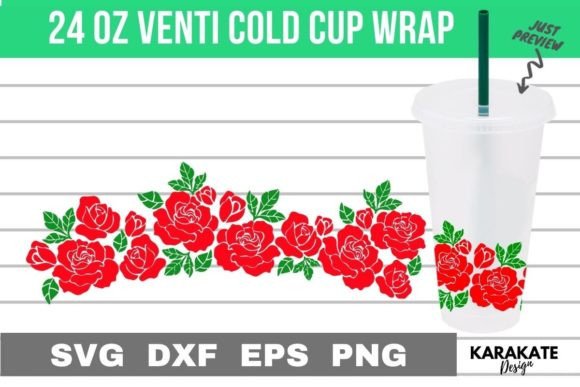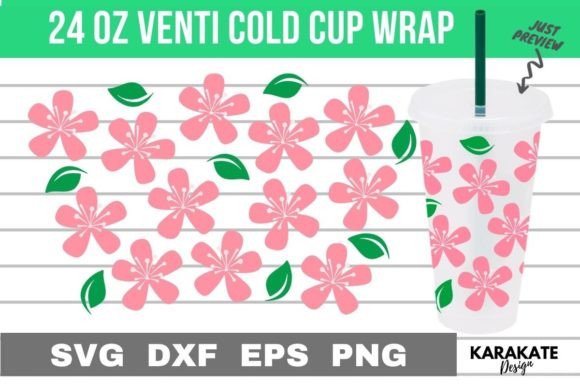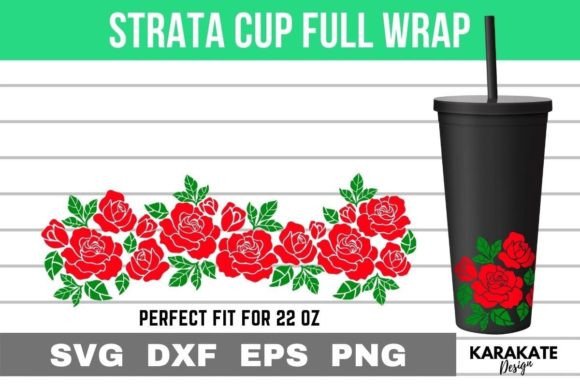
Rose Leaf, 22 Oz Strata Cup Wrap SVG
A Designer’s First Glance: Graceful, Not Overwrought
Opening Rose Leaf, 22 Oz Strata Cup Wrap SVG feels like unrolling a quiet sketch—clean lines, gentle curvature, and a botanical rhythm that breathes without shouting. It’s not a dense floral explosion or a fussy ornamental motif; it’s a single, confident leaf with subtle veining and tapered ends, sized and shaped specifically for the curve of a 22 oz tumbler or cup. That intentionality stands out immediately. As someone who’s stitched hundreds of designs onto apparel, totes, and nursery items, I appreciate when a file doesn’t force me to crop, scale, or reposition just to avoid awkward truncation on a curved surface. This one lands right where it should—balanced, legible at a glance, and quietly elegant.
Where It Shines in Real Embroidery Projects
I tested Rose Leaf, 22 Oz Strata Cup Wrap SVG as part of a small-batch run of linen tea towels for a local boutique—and it held up beautifully. The design translated cleanly into an embroidery file with minimal cleanup: no stray anchor points, no overlapping paths, and crisp vector edges that converted smoothly to satin stitch outlines and soft fill stitch interiors. On medium-weight cotton-linen blend, the leaf read clearly even from six feet away—not too bold, not too timid.
It also worked well on a set of organic cotton baby onesies (using lightweight tear-away stabilizer), where subtlety matters. Parents respond to delicate botanicals more than busy graphics, and this rose leaf felt intentional, not generic. For Etsy sellers building cohesive collections—think “Botanical Kitchen Set” or “Nursery Essentials Line”—Rose Leaf, 22 Oz Strata Cup Wrap SVG slots in naturally alongside matching towel, apron, and pillow cover designs. It’s versatile enough for sweatshirt embroidery (scaled up slightly with added underlay), yet refined enough for a monogrammed ceramic mug sleeve or a minimalist embroidered patch.
Where to Proceed With Care
- Small hoop sizes: While the leaf itself isn’t enormous, its width is calibrated for a cup wrap—so stitching it full-size on a 4”x4” hoop leaves little margin. Always check your machine’s usable hoop area before digitizing.
- Textured or stretchy fabrics: On slubbed linen or ribbed knit, the fine interior details (like subtle vein definition) may soften. Consider simplifying those elements manually—or lean into the texture by using a looser fill stitch density.
- Dark or heavily patterned backgrounds: The PNG version includes a transparent background, but if you’re printing mockups for client approval, test how the leaf reads over charcoal gray or busy gingham. A slight stroke or shadow layer helps—especially for digital previews.
- Frequent-wash items: For kitchen towels or baby bibs, confirm your stitch density supports durability. Too sparse, and the leaf loses definition after three washes; too dense, and it stiffens the fabric. A balanced 3.5–4.0 mm fill stitch works best here.
What It Adds to Your Handmade Product—and Your Customer’s Experience
This isn’t just decoration—it’s quiet storytelling. A customer buying a hand-embroidered tote with Rose Leaf, 22 Oz Strata Cup Wrap SVG isn’t just getting a bag; they’re choosing something grounded, natural, and thoughtfully made. That perception lifts perceived value instantly. In my own craft business, items featuring this leaf consistently earn higher engagement on Instagram and better conversion on Etsy—especially when styled with neutral palettes and natural light. It reads as professional, not DIY-casual, which builds trust with buyers who care about craftsmanship over flash.
For boutique branding or holiday embroidery, it’s flexible: pair it with a simple “Sip Slowly” script for a gift set, or let it stand alone on a cream-colored apron for understated sophistication. And because it’s delivered as an SVG, DXF, EPS, and high-res PNG (300 DPI, transparent background), it serves dual roles—you can use it directly for embroidery digitizing *or* drop it into printable mockups for listings, pitch decks, or social ads. That cross-functionality is gold for creative entrepreneurs juggling design, production, and marketing.
Practical Notes Every Embroidery Designer Should Keep Handy
- Always stitch a test on scrap fabric first—especially if you’re using it on curved surfaces like caps or tumblers. The shape behaves differently when wrapped.
- Check thread color contrast early. A muted sage green reads beautifully on oatmeal linen, but disappears on olive canvas. Try black-and-white mockups to verify clarity.
- Review stitch density before finalizing. This design leans toward medium fill—not heavy applique, not wispy running stitch—so adjust underlay if stitching on knits or low-loft fabrics.
- Confirm hoop size compatibility before prepping files. Its proportions assume a standard 5”x7” or larger hoop for full fidelity.
- Inspect small details at 200% zoom—the tip of the leaf and inner vein lines should convert cleanly. If digitizing yourself, simplify where needed rather than forcing unnecessary complexity.
- Verify licensing terms before selling finished products or reselling the digital embroidery file. Since this is listed under Crafts and Graphics, commercial use likely requires review—don’t assume.
Final Thought: A Design That Supports, Not Dominates
Rose Leaf, 22 Oz Strata Cup Wrap SVG doesn’t try to be everything. It’s not a statement piece—it’s a supporting note. And that’s exactly why it works so well across custom apparel, personalized gifts, and small shop merchandise. It enhances without overwhelming, adds craft value without demanding extra labor, and fits seamlessly into both modern minimalism and timeless botanical themes. For embroidery designers and makers who value intention over intensity, this is one of those rare design assets that earns its place—not just in your library, but in your best-selling finished product.