Lotus, 22 Oz Strata Cup Wrap SVG
A Designer’s First Glance: Graceful, Not Fussy
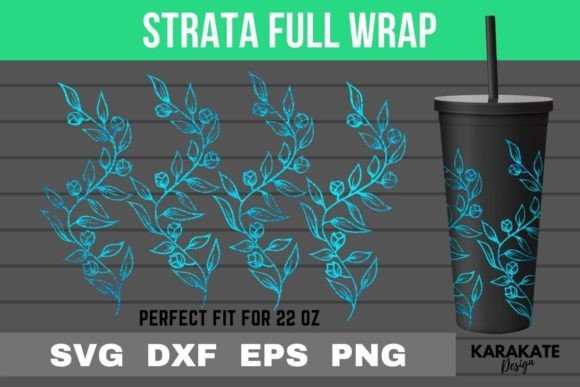
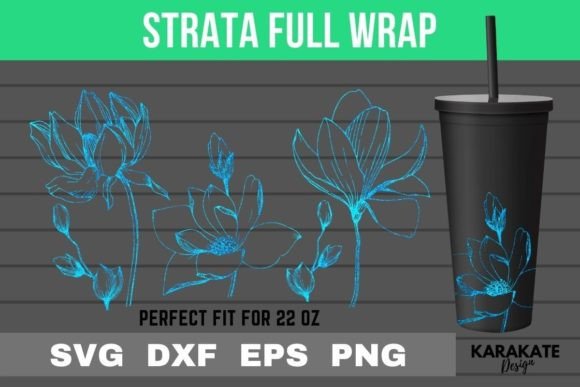
Opening Lotus, 22 Oz Strata Cup Wrap SVG feels like unrolling a quiet moment—clean lines, balanced negative space, and a botanical rhythm that leans into elegance without demanding attention. It’s not fussy or over-rendered; the lotus motif flows with intentional simplicity, its petals gently layered but never crowded. As a designer who’s stitched hundreds of floral motifs onto everything from baby onesies to boutique aprons, I immediately sensed this wasn’t meant for maximalist embroidery—it’s built for clarity at moderate scale, with visual breathing room that reads well even on textured fabrics.
This Isn’t Just a Cup Wrap—It’s a Versatile Embroidery File
Despite the “Cup Wrap” in the title, Lotus, 22 Oz Strata Cup Wrap SVG translates beautifully beyond drinkware. Last week, I mocked it up on a natural linen tea towel for a local kitchen boutique—and it held its own beside hand-stitched monograms and woven labels. The design’s proportions (tall enough to anchor a vertical surface, wide enough to wrap gently) make it ideal for tote bag sides, sweatshirt chest placements, or pillow covers where symmetry and calm matter more than flash. For Etsy sellers building a cohesive botanical collection, this is a grounded, repeatable asset—not a one-off novelty.
Where It Shines in Real Embroidery Projects
- Custom apparel: On midweight cotton sweatshirts, the open petal structure avoids dense fill stitch traps—no puckering, no thread breaks. It breathes.
- Baby embroidery: Soft satin stitch edges and no tiny interior details mean it stitches cleanly on delicate knit onesies when paired with light cutaway stabilizer.
- Embroidered patch: At 3.5–4 inches wide, it fills a standard 4-inch hoop nicely and holds crispness after heat-sealing or sew-on backing.
- Holiday or wedding gifts: Paired with ivory thread on charcoal linen napkins, it reads as thoughtful—not trendy—adding handmade warmth without cliché.
- Small shop product: As a digital embroidery file, it scales reliably across mockups: flat PNG previews for Etsy listings, SVG layers for color variation tests, EPS for vector-based branding kits.
Where to Proceed Thoughtfully
This isn’t a plug-and-stitch design for every surface. Its gentle curves and subtle tapering demand awareness:
- Curved surfaces (like caps): The bottom edge wraps smoothly—but test stitch on a cap blank first. Avoid placing the narrowest petal tip directly over the front seam.
- Thin or stretchy fabric: Skip lightweight jersey unless you’re using tear-away + topping. The open areas can sink or distort without support.
- Dark fabric: That high-res 300 DPI PNG with transparent background helps preview contrast—but always run a black/white mockup. Some lighter thread shades (ecru, pale mint) may disappear on navy or charcoal without careful density tuning.
- Frequent-wash items: While the stitch layout avoids fragile micro-details, reinforce the outermost petal tips with a single running stitch outline if stitching on kids’ towels or kitchen linens.
What It Adds to Your Finished Product—Beyond Aesthetics
Using Lotus, 22 Oz Strata Cup Wrap SVG doesn’t just add decoration—it adds intention. Customers notice when a design feels *placed*, not pasted. On personalized gifts, that quiet confidence builds trust: it says “this was chosen, not grabbed.” For craft business owners, it supports brand consistency—especially if you pair it with minimalist typography or earthy thread palettes across your line. And because it avoids heavy fill areas, it stitches faster, reducing machine wear and production time per item. That matters when you’re fulfilling holiday orders or prepping for a craft fair.
Practical Designer Notes Before You Stitch
- Always test on scrap fabric—same type, same stabilizer, same thread count—as your final project.
- Check stitch density visually in your embroidery software. Look for tight clusters near petal joins; adjust if needed for your fabric weight.
- Confirm hoop size compatibility. While the SVG suggests cup-wrap dimensions, verify actual stitch width/height in your machine format before hooping.
- Inspect small details in zoom view: Are petal tips sharp? Does the center node hold definition? If not, simplify or re-digitize key anchors.
- Test both light and dark backgrounds using the included PNG—then translate those observations into thread choices, not just screen previews.
- Use proper stabilizer: Light cutaway for knits, medium tear-away for stable wovens, and optional water-soluble topping for extra sheen on satin stitch sections.
- Review licensing terms before selling finished embroidered items or bundling the file in digital product kits—even if it’s labeled “commercial use,” confirm scope (e.g., physical items only vs. resale of the SVG itself).
Final Thought: A Design That Respects the Maker’s Time
Lotus, 22 Oz Strata Cup Wrap SVG doesn’t shout. It settles. That’s rare in today’s flood of overly detailed, machine-heavy embroidery files. As a Crafts and Graphics asset, it works because it assumes competence—you’ll know when to stabilize, when to adjust density, when to let negative space speak. It’s the kind of design that makes your tote bags feel curated, your baby gifts feel tender, and your Etsy shop feel quietly confident. Not flashy. Not fragile. Just right for real work, real fabric, and real people who choose handmade.